Aglaia, the little yellow pompom-scented shrub sold as rice flower, is a plant with one non-negotiable requirement. It wants sun for most of the day, and everything else in this article is what to do once that is settled.
Roots, soil and repotting
The root system is dense and made up of very fine feeding roots, which makes the potting mix a question of both richness and openness. Rich organic matter is needed, and so is drainage, since a mix that compacts around those fine roots stalls the plant.
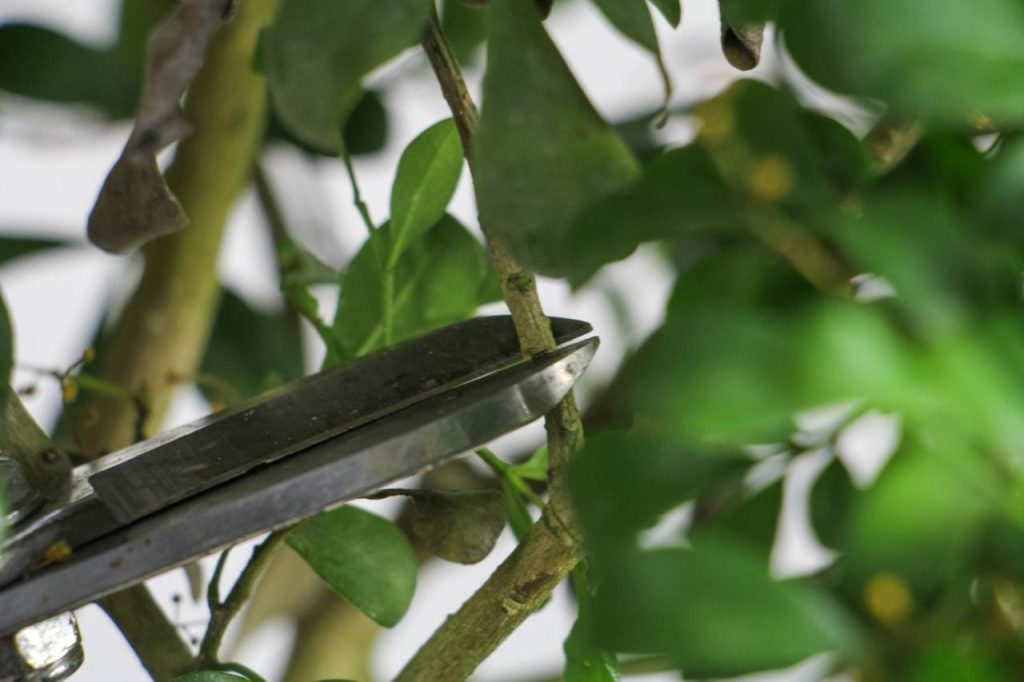
At least every two years, change the soil. That is not a cosmetic operation: renew the mix, and cut out the roots that have gone past their best, since a plant carrying a mass of old root produces weak new growth whatever it is fed. A charge of base fertilizer goes in with the fresh compost.
Light first, then water
Aim for around twelve hours of light a day, outdoors or on an open balcony. In a shaded position the plant drops leaves, flowers little, and the scent is thin, while in strong light the branches come out short and thick, the leaves small, thick and glossy, and bud after bud is formed. Winter light is weak, so the position matters more then, not less.
Watering has one critical window. As spring growth starts to break bud, hold water back deliberately, since a well-watered aglaia at that stage puts on leaves instead of flowers. Through the rest of the growing season keep the pot moist and water roughly every two to three days. Too little checks growth; too much yellows the leaves and rots the fine roots.
Feeding and pinching
This plant flowers repeatedly, and the nutrient cost is real. One to two applications of organic fertilizer a week through growth is the routine, with phosphate put on as the buds form, and a feed after each flush to rebuild what the flowering took out. Concentration can be slightly stronger in the growth period than the usual indoor rule allows, since the demand is genuinely there. Which element does what is set out at nitrogen, phosphorus and potassium, and the seasonal timing at feeding potted plants.
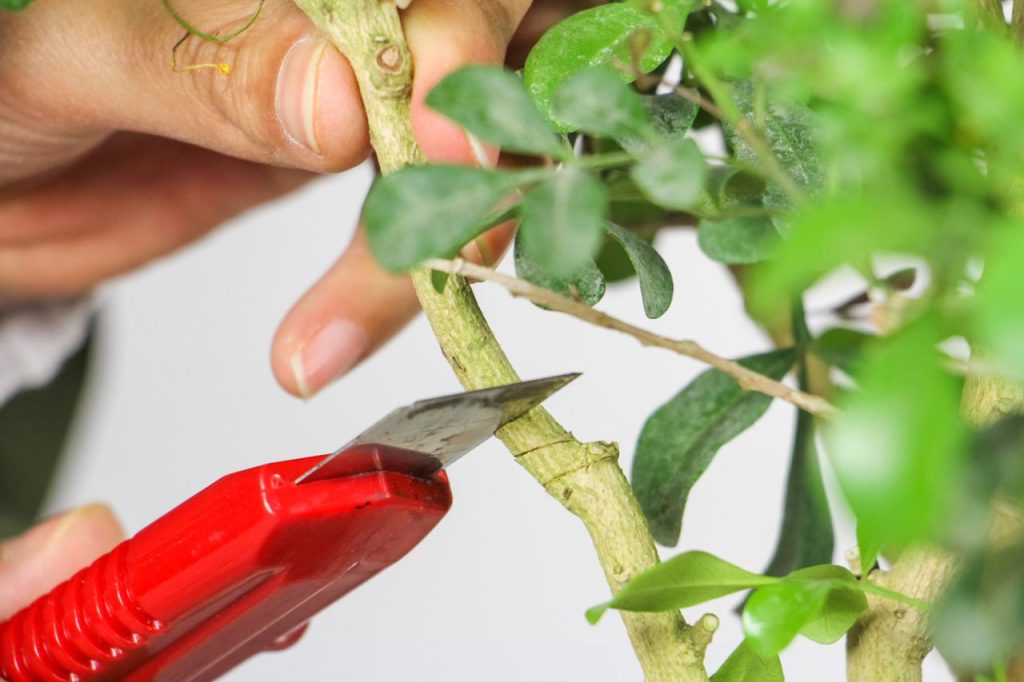
Shooting ability is strong, so pruning is about selection. Take out the thin growth, the crowded growth and the long straggling stems, and when a branch carries fifteen to twenty leaves, pinch out its tip. That single habit is what turns a sparse plant into one that flowers on every branch, and it also keeps the height in check without the shape going ragged.
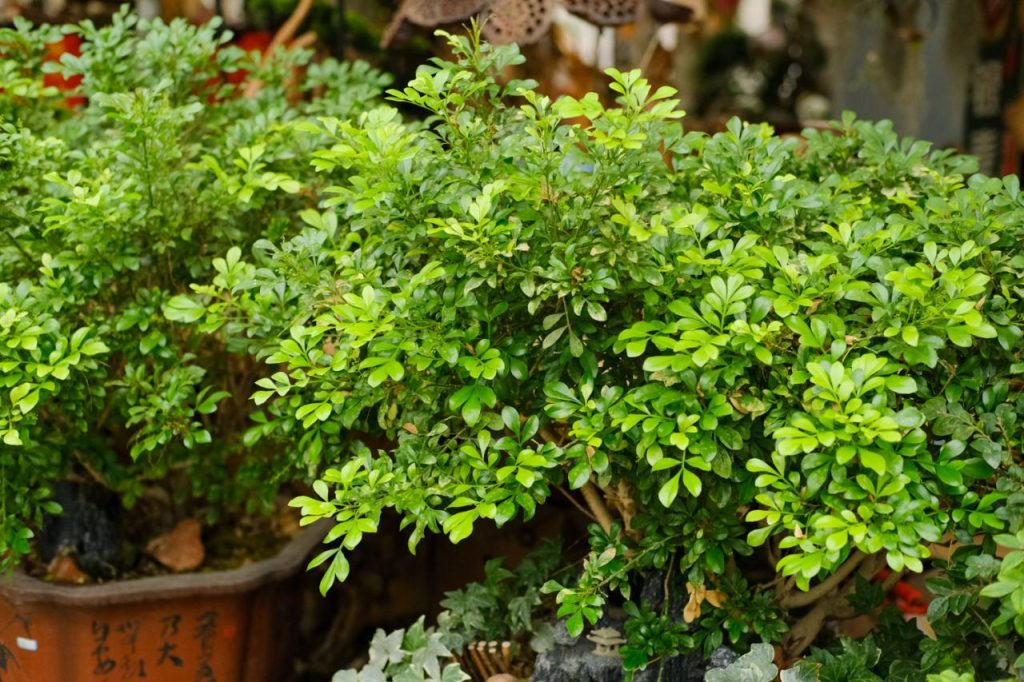
A yellowing plant in a bright position is usually a watering question rather than a feeding one, and the leaf patterns are diagnosed at reading a yellow leaf. The same logic of a hard-pruned, sun-fed flowering shrub applies to rosemary in a pot, and a woody plant that resents being repotted carelessly is covered at potted daphne.