Skip to content
home

Home

Finished Compost and Fresh Organic Material: The Difference

  • by

Finished compost and fresh organic waste behave differently in soil, especially where roots share a small, enclosed container. Use a prepared product whose purpose is clear, and avoid burying raw scraps around a houseplant. Fermentation… 
Fertilizer Timing: Follow the Plant's Growth Cycle

  • by

Plants do not all need feed in the same months. Read the fertilizer label and identify active growth before choosing a dose or frequency. Fertilization according to seasonal fertilization Spring and summer are the strong… 

Feeding Potted Plants During Active Growth

  • by

Feeding depends on the plant's growth and the product being used. Check the roots and mix before treating extra fertilizer as a response to weak growth. Conditions for topdressing The first is to consider the… 

Rooting Cuttings in Water: Shoots and Container Care

  • by

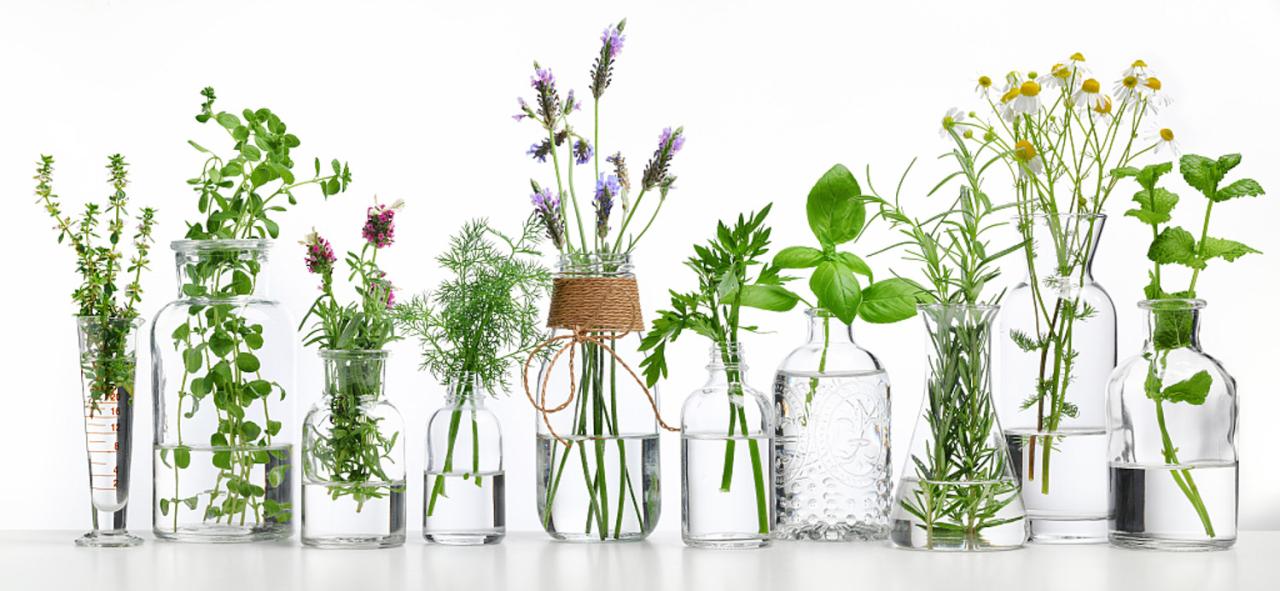
Some cuttings can root in water, but the method does not suit every plant. Use a clean container and keep track of the source plant's identity. Choose a plant and cutting that can root Water… 

Training Climbers into a Green Wall

  • by

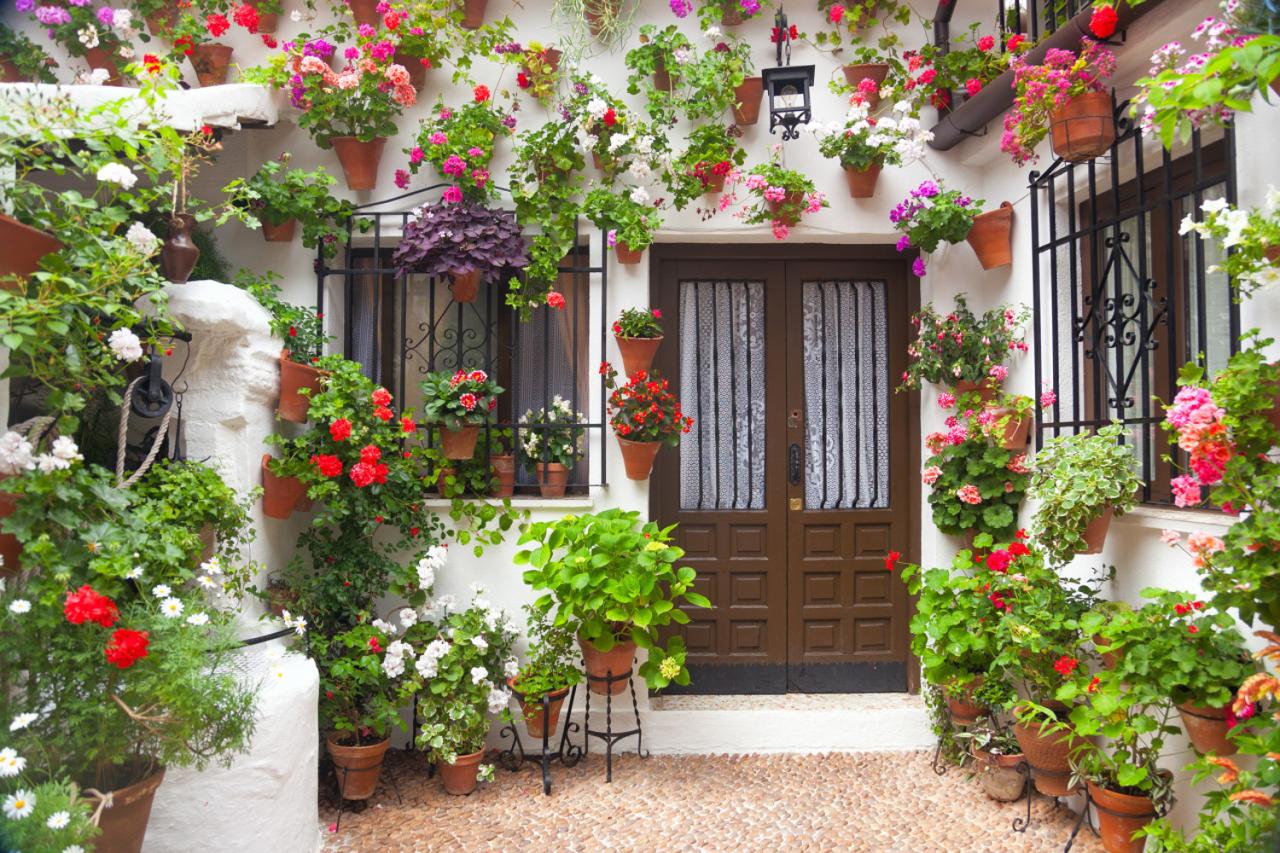
A planted wall needs supports and enough light for new growth. Plan access for watering and pruning before covering a balcony or indoor frame. ivy (Author: bossanbaby Source: ivy) Develop flower wall skills: 1. Only… 

Base Fertilizer: Feeding Before Planting or Repotting

  • by

Base fertilizer is incorporated before planting, and the right amount depends on the growing medium and the product's release pattern. Check whether a bagged compost already contains feed before adding more. Check whether the mix… 

Foliar Fertilizer: Uses, Limits and Leaf Safety

  • by

Foliar fertilizer is applied to leaves, but it has limits and does not replace healthy roots or an appropriate root-zone feeding routine. Use only a product labeled for foliar application and follow its dilution instructions.… 

What Is Inorganic Fertilizer? Reading the Nutrient Label

  • by

Inorganic fertilizers supply nutrients in mineral forms, with different products providing single nutrients or a measured combination. Choose by the nutrient label and the plant's needs rather than assuming every soluble feed is interchangeable. Introduction… 

What Is Organic Fertilizer? Materials and Practical Use

  • by

Organic fertilizers come from plant or animal materials, but their nutrient content and release rate depend on the product and processing. Read the label and keep unfinished household waste out of a container's root zone.… 

Balcony Planting: Light, Wind and Container Space

  • by

A balcony's direction is only part of its growing conditions. Check actual sun, wind and safe container placement before choosing plants. What to know about raising flowers on the south of the balcony The balcony… 

Juniper Care: Light, Containers and Root Conditions

  • by

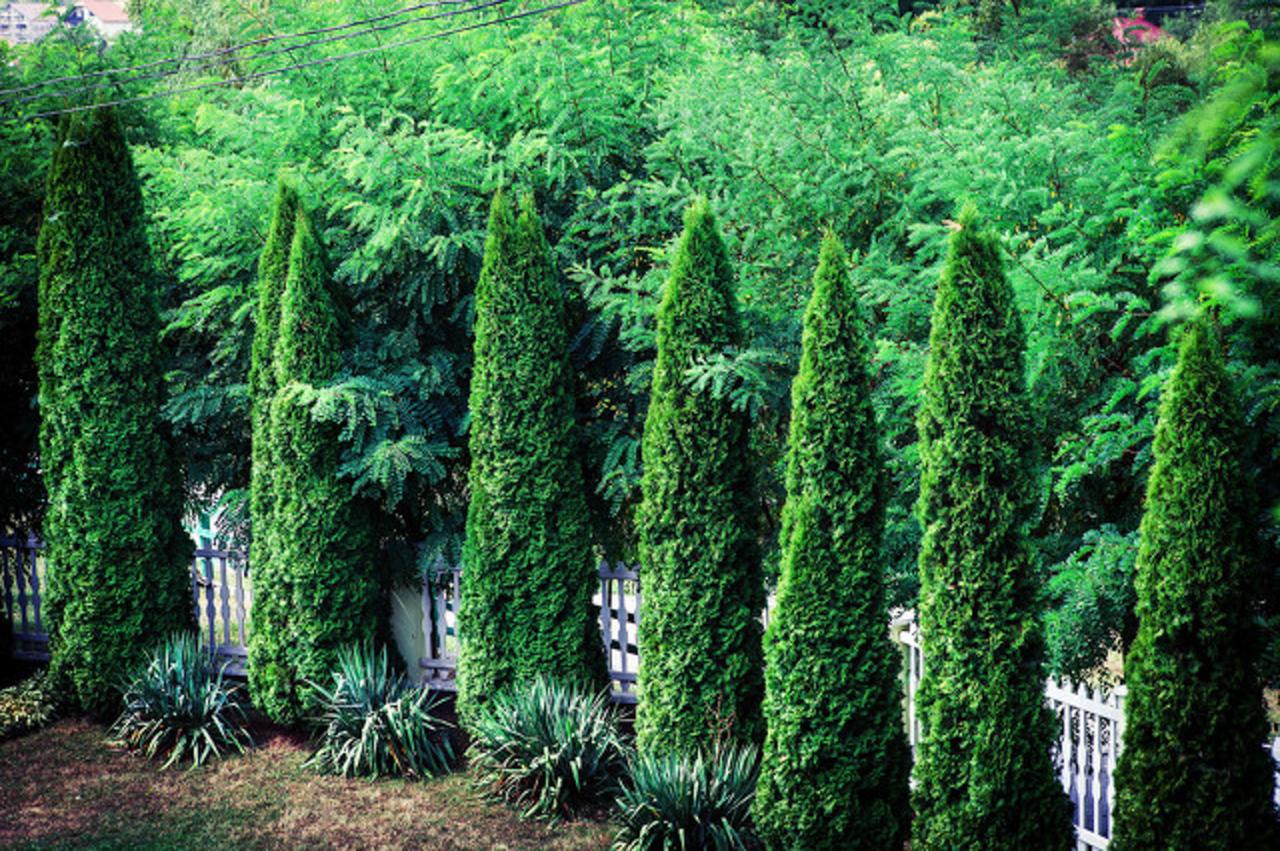
Juniper needs outdoor conditions suited to its species and a draining root zone. Check the label and local climate before choosing a permanent position. Keep juniper outdoors where appropriate Juniperus are generally outdoor woody plants…