Training Trailing Plants on a Simple Support
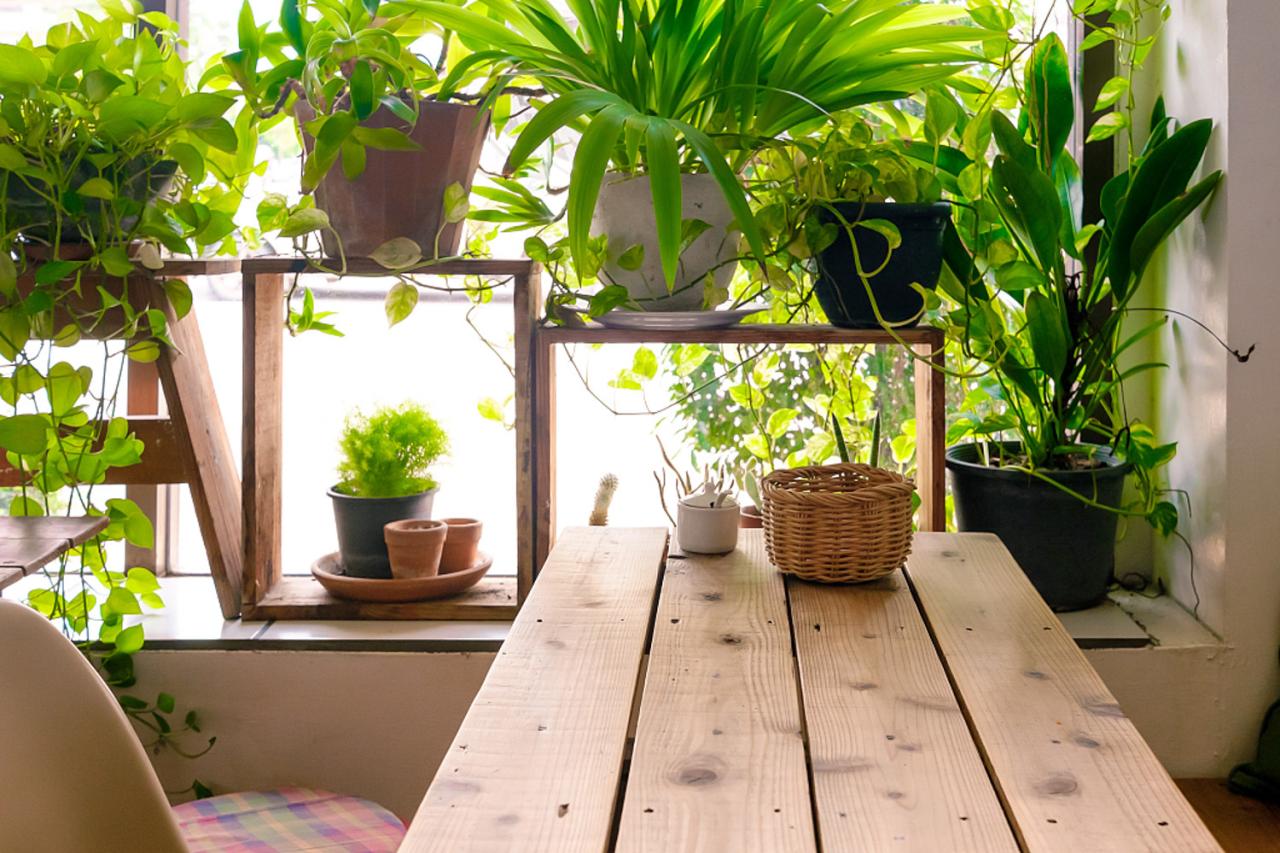
A simple support can guide trailing stems into a wall display. Leave room for new growth and check attachments before stems become heavy. Plant wall pulled out of the cotton line In the picture above,…
A simple support can guide trailing stems into a wall display. Leave room for new growth and check attachments before stems become heavy. Plant wall pulled out of the cotton line In the picture above,…
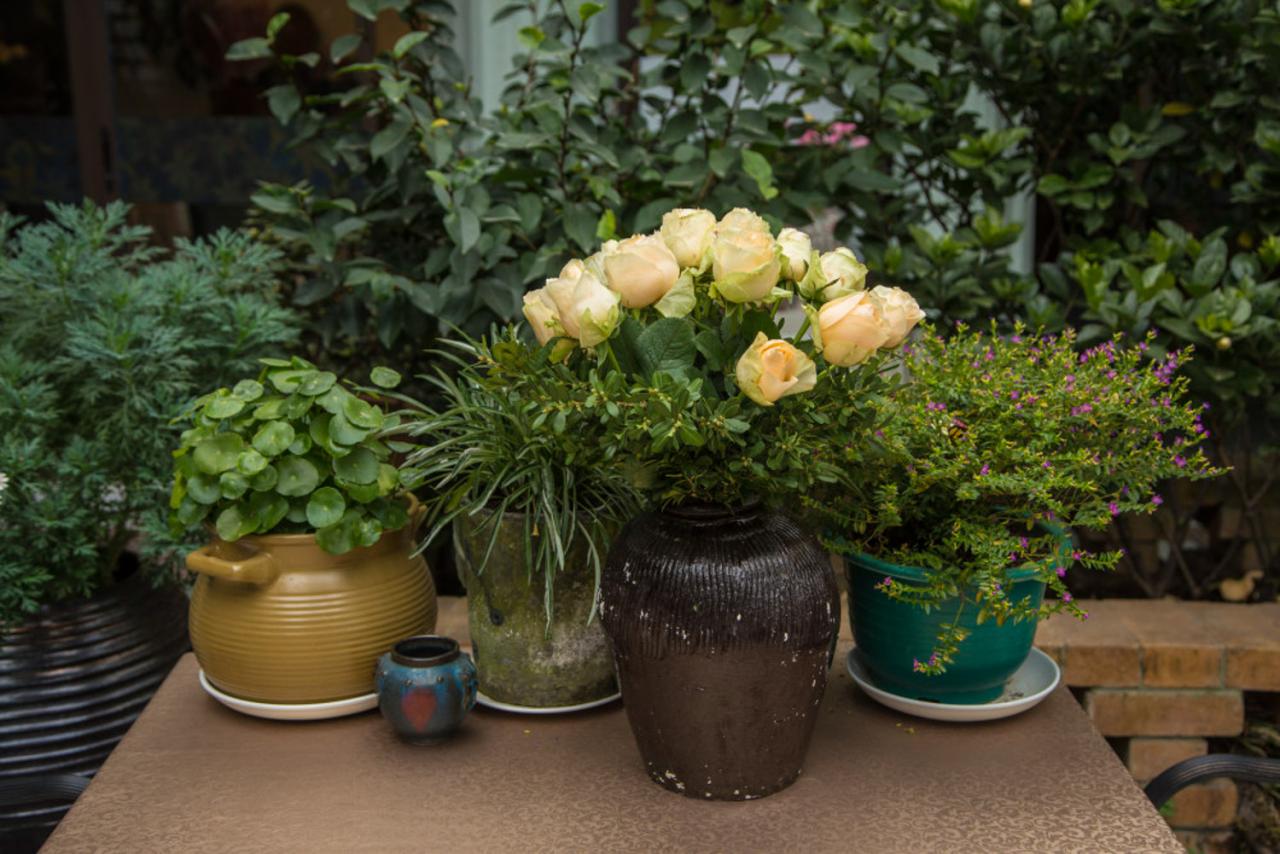
Similar leaf symptoms can have different causes. Distinguish environmental stress from a suspected infection before choosing a treatment or discarding a plant. Similar symptoms can have different causes Yellowing, spots and wilt can result from…
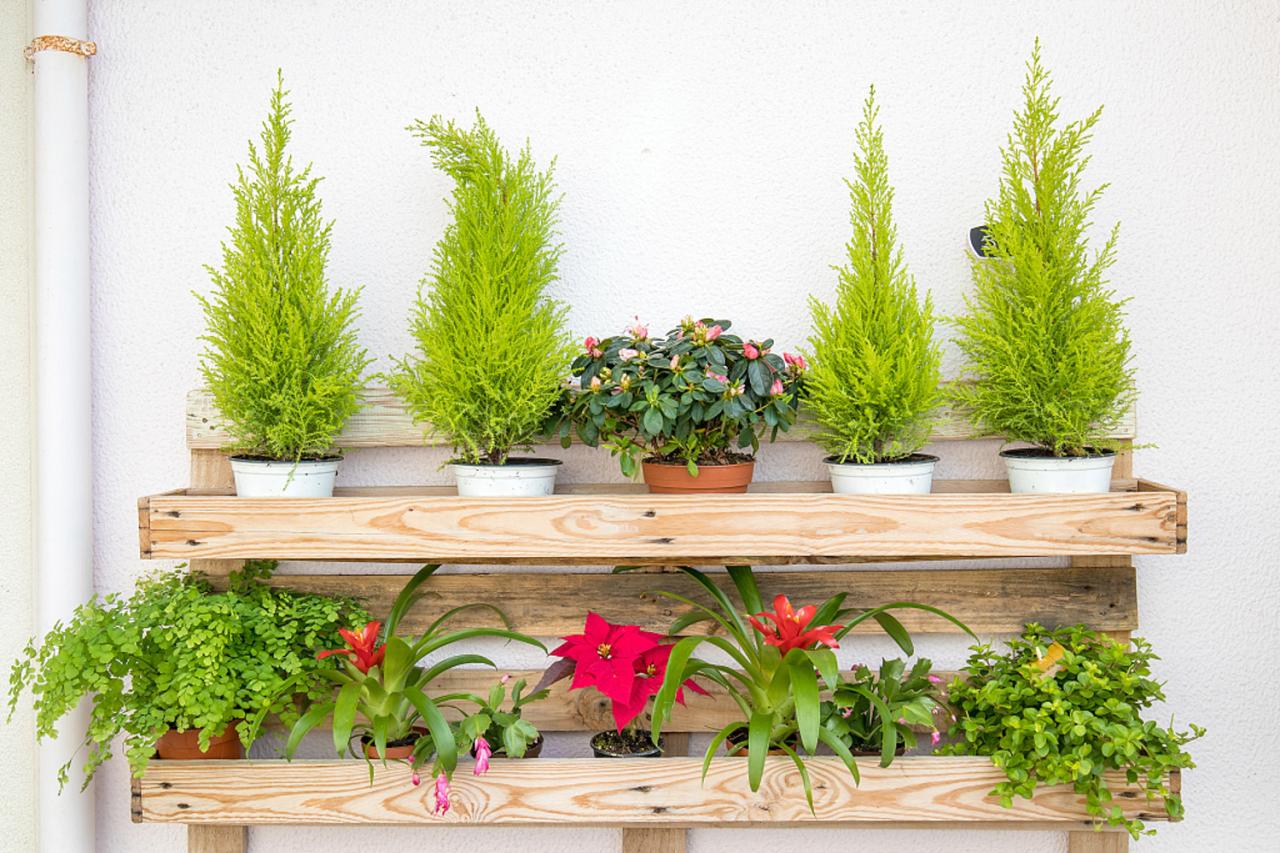
Plant disease prevention starts with suitable growing conditions and clean working habits. Inspect new plants and identify symptoms before choosing a treatment. Begin with suitable growing conditions Choose plants for the site and provide appropriate…
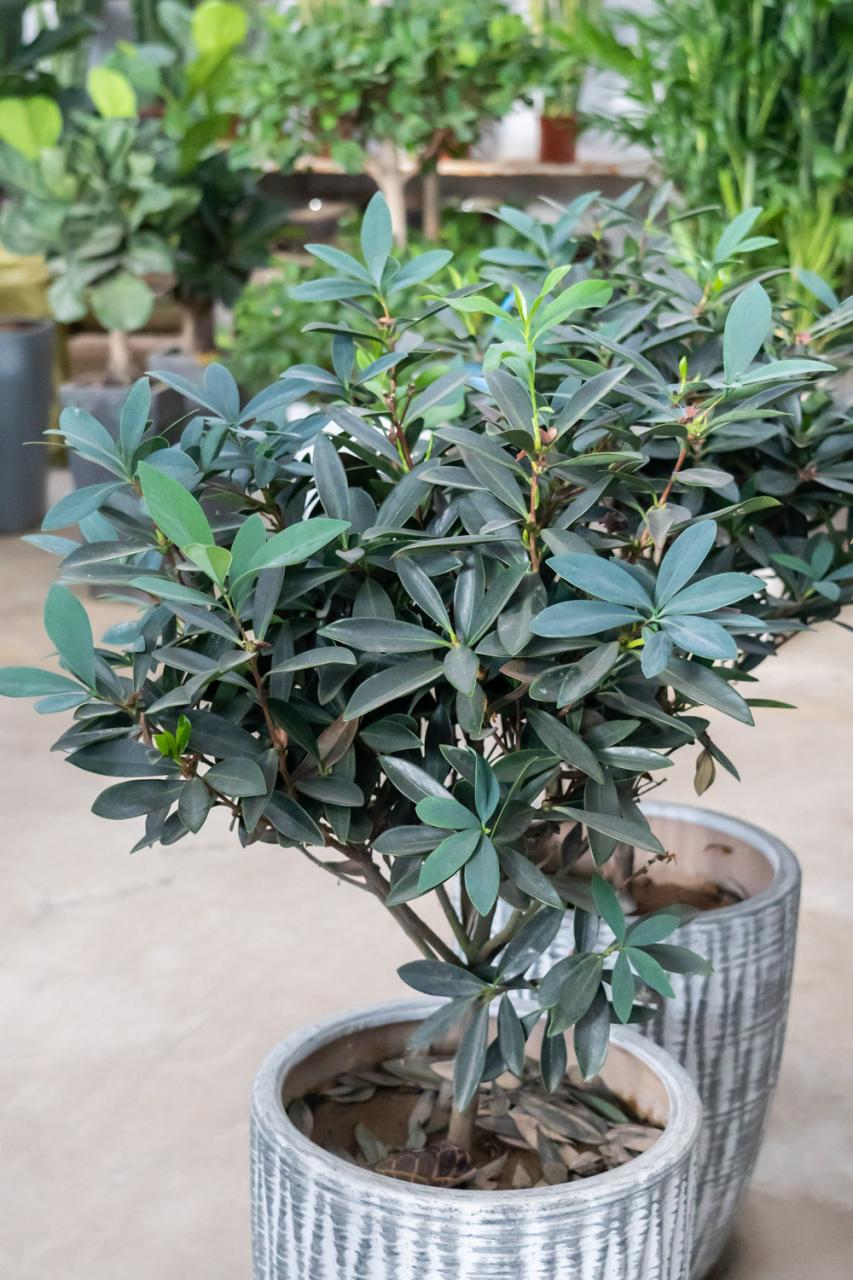
Summer conditions influence a camellia's future display. Check the root ball during dry weather rather than moving the pot repeatedly between sun, shade and evening dew. Protect the roots during summer growth Camellias can be…
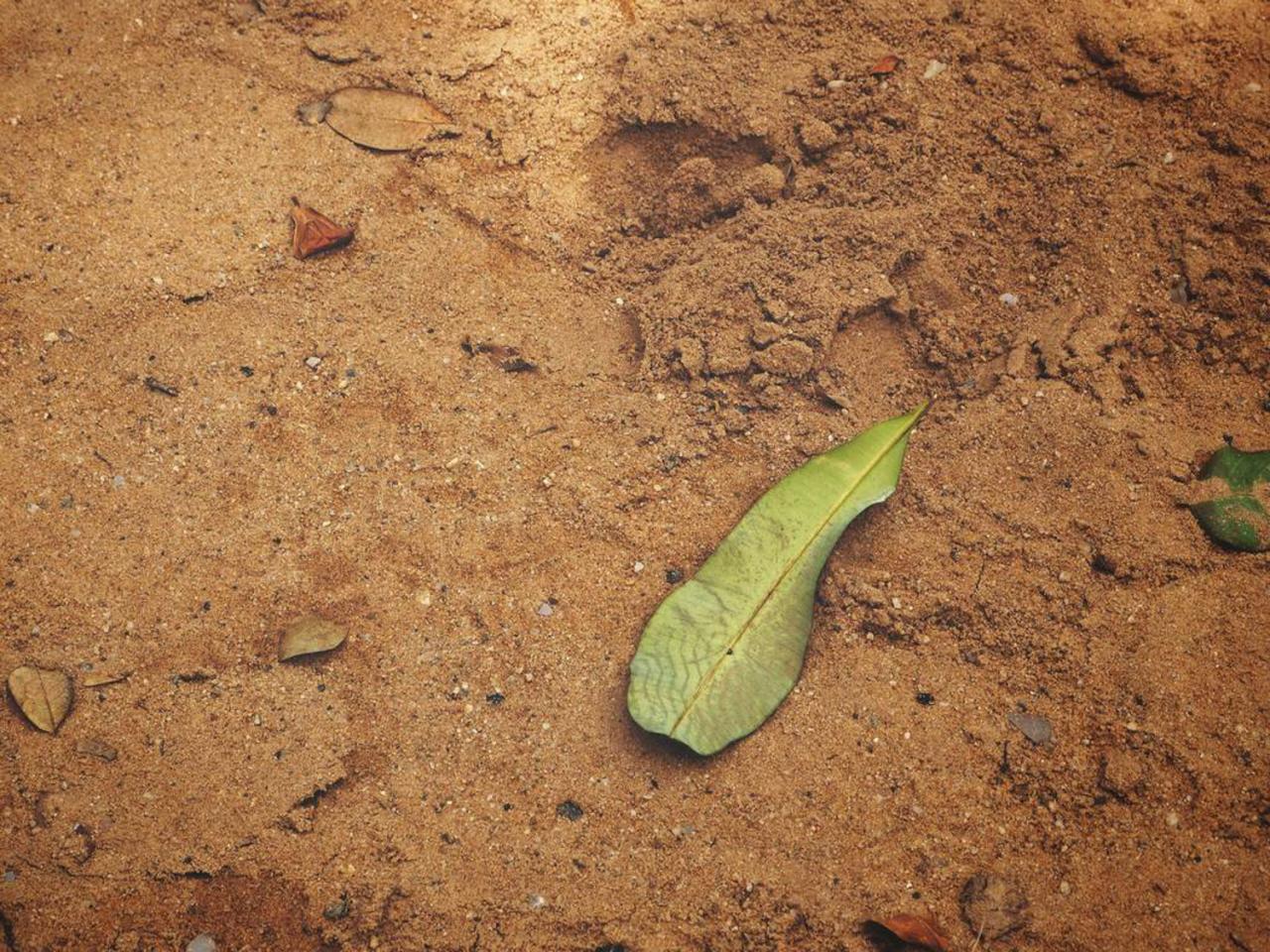
Most gardeners calling something "pine needle soil" are holding either undecomposed needles or bare sandy ground. The useful material is the black crumbly layer in between, and it needs screening and sterilising before it goes…
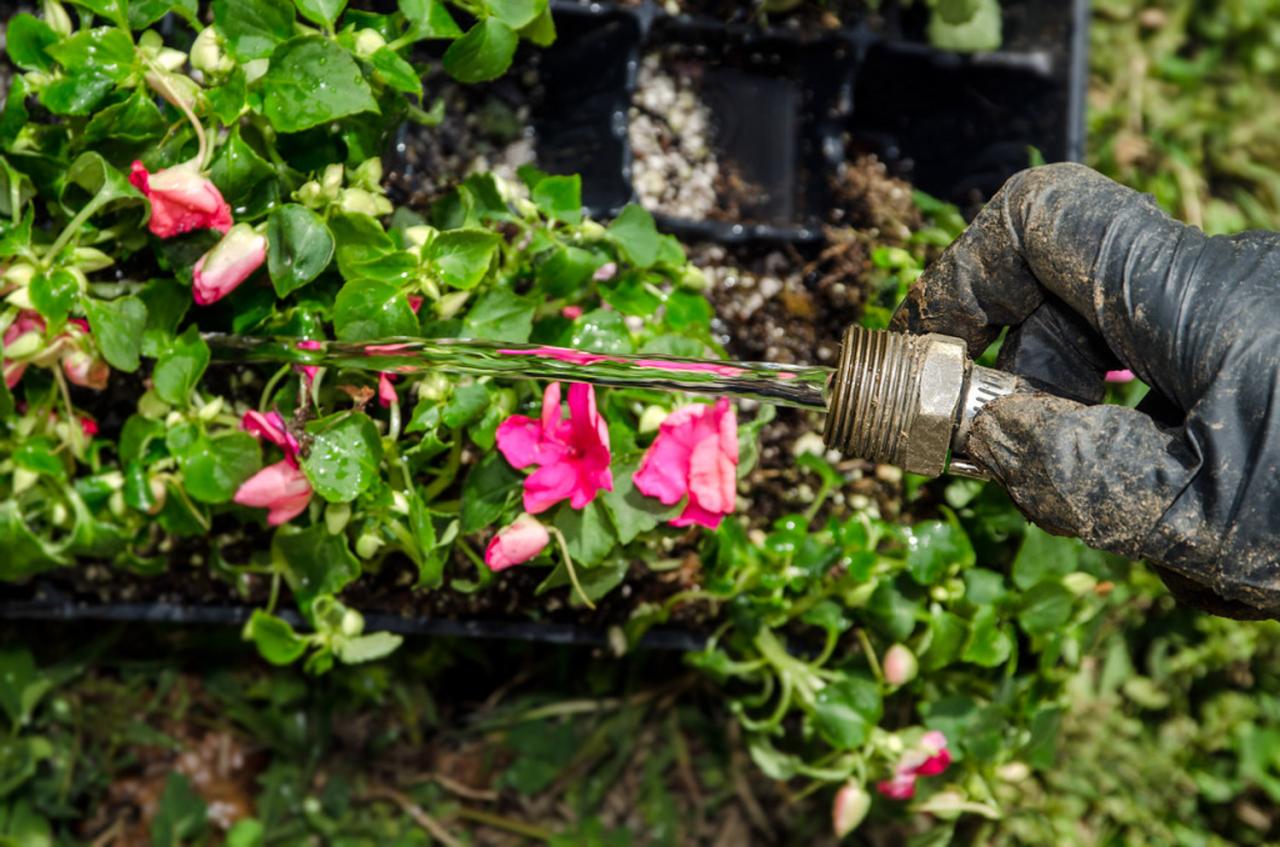
Kitchen vinegar is not a universal leaf cleaner or soil correction. Diagnose the problem and use suitable care methods rather than relying on an arbitrary dilution. Vinegar is not a universal plant treatment Kitchen vinegars…
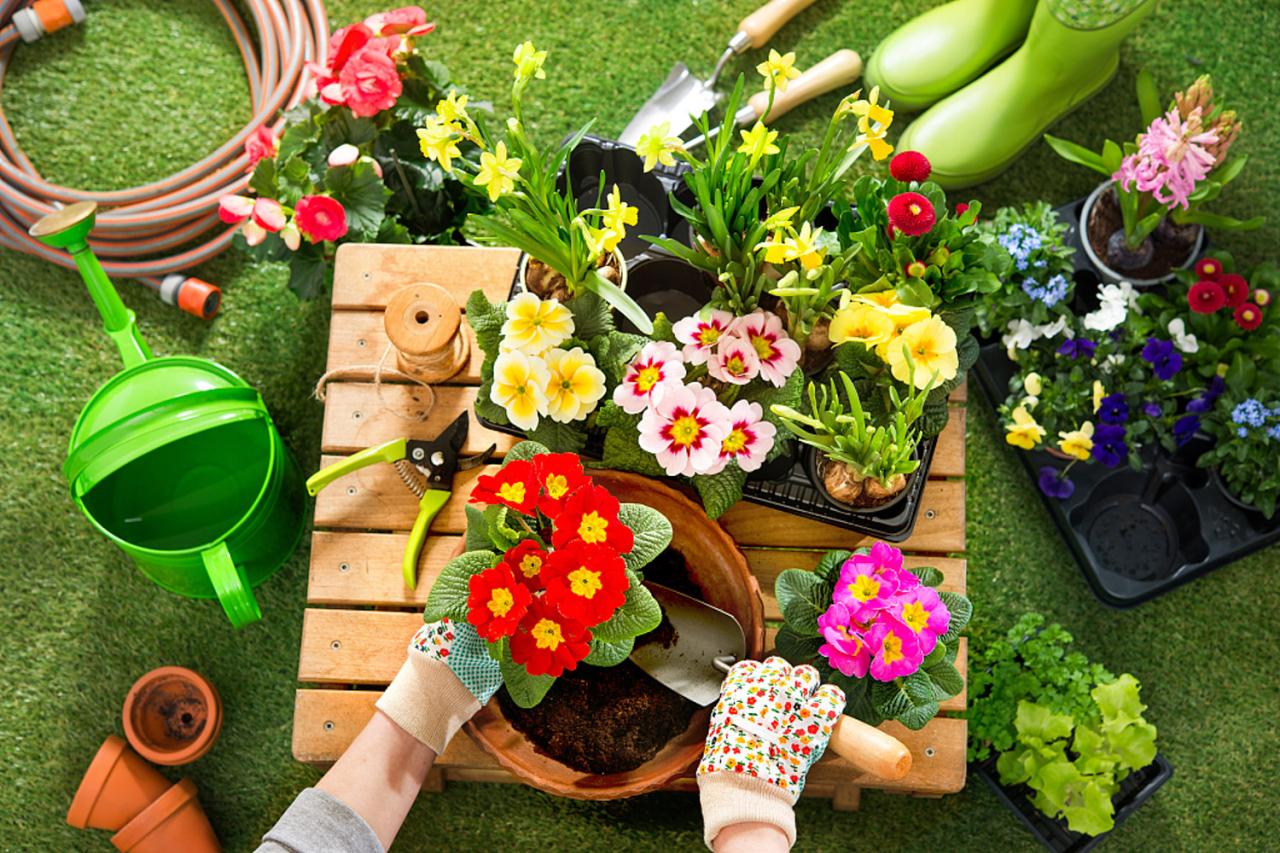
Bark can be useful in some growing mixes when prepared for the purpose. Check product grade rather than filling a pot with unknown collected bark. How to raise flowers in bark Use prepared horticultural bark…
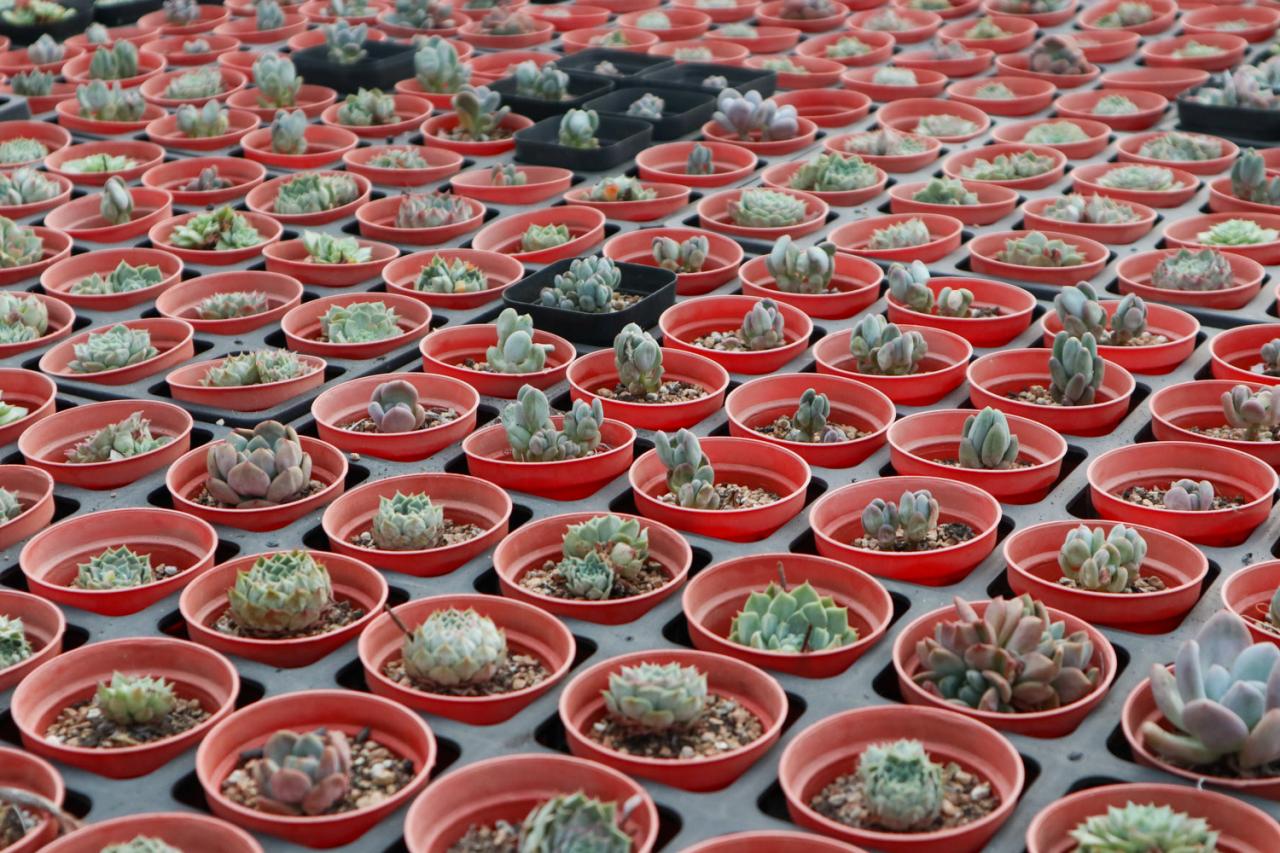
Coal slag is a variable byproduct rather than a standardized potting ingredient. Check its source and suitability before adding it around plant roots. Coal slag is not a standard potting ingredient Material left from burning…
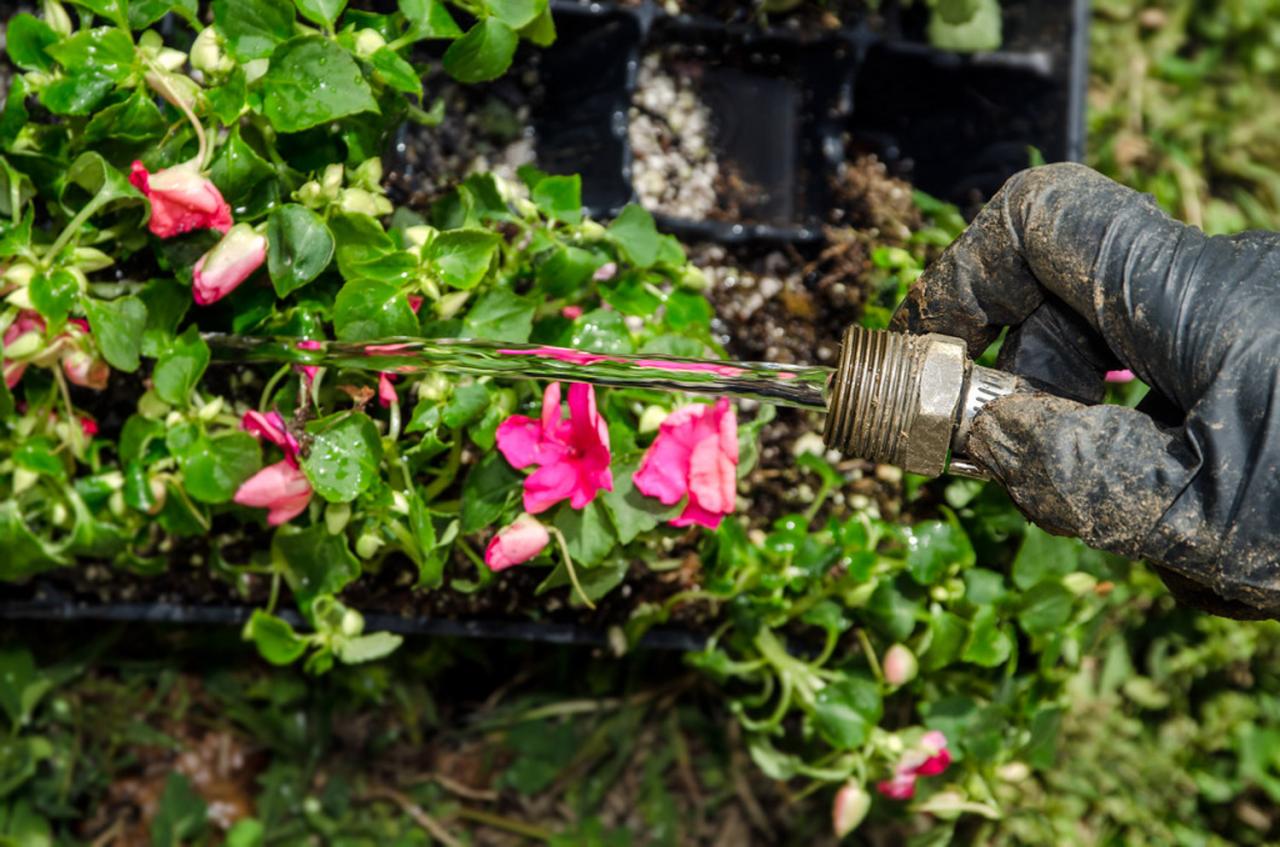
Milk adds organic residues to a pot without providing controlled nutrition. Keep houseplant watering simple and choose an appropriate composting or disposal route for leftovers. Uncontrolled residues are the problem Milk is not supplied to…
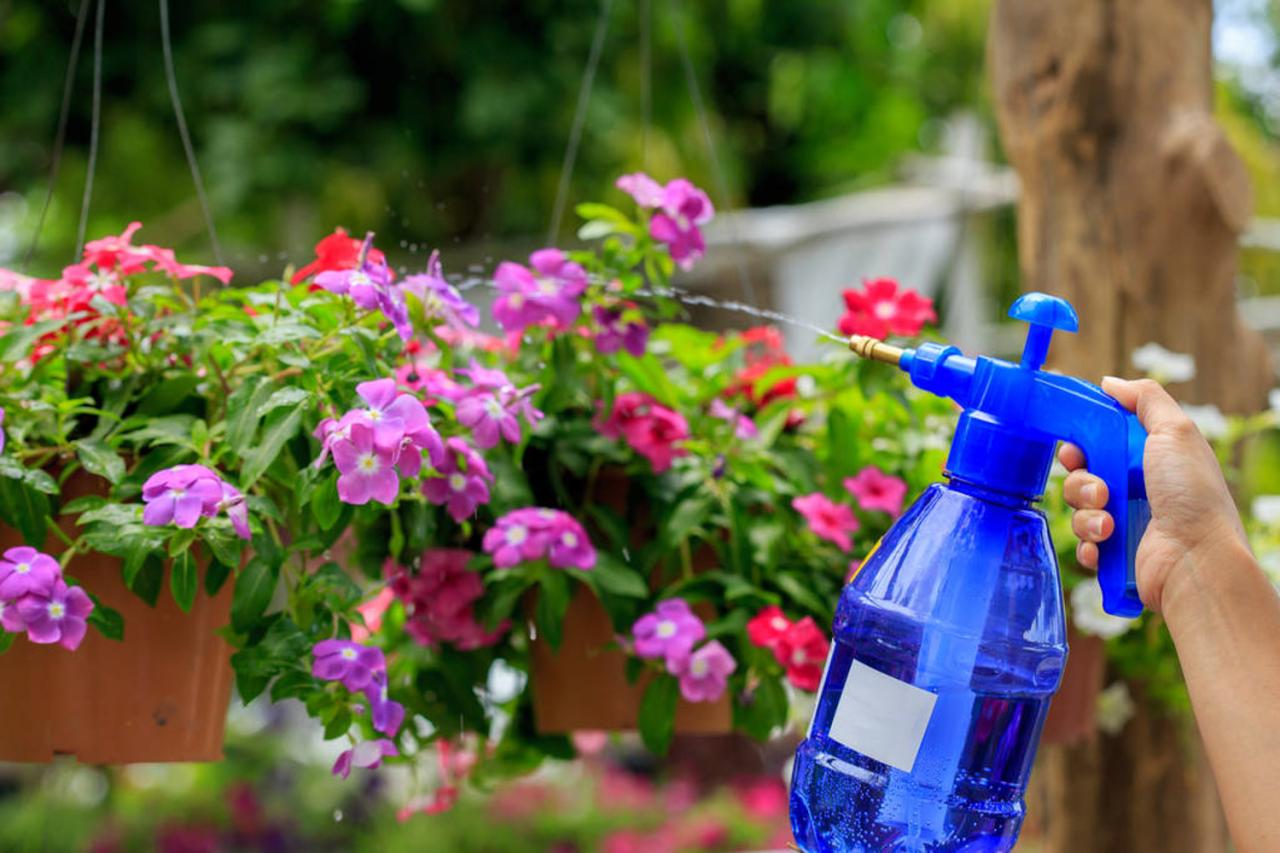
Orange peel can go through suitable composting, but a homemade soak is not a precise fertilizer or soil treatment. Keep raw residues separate from routine pot watering. Peel and plant nutrition are different topics Orange…
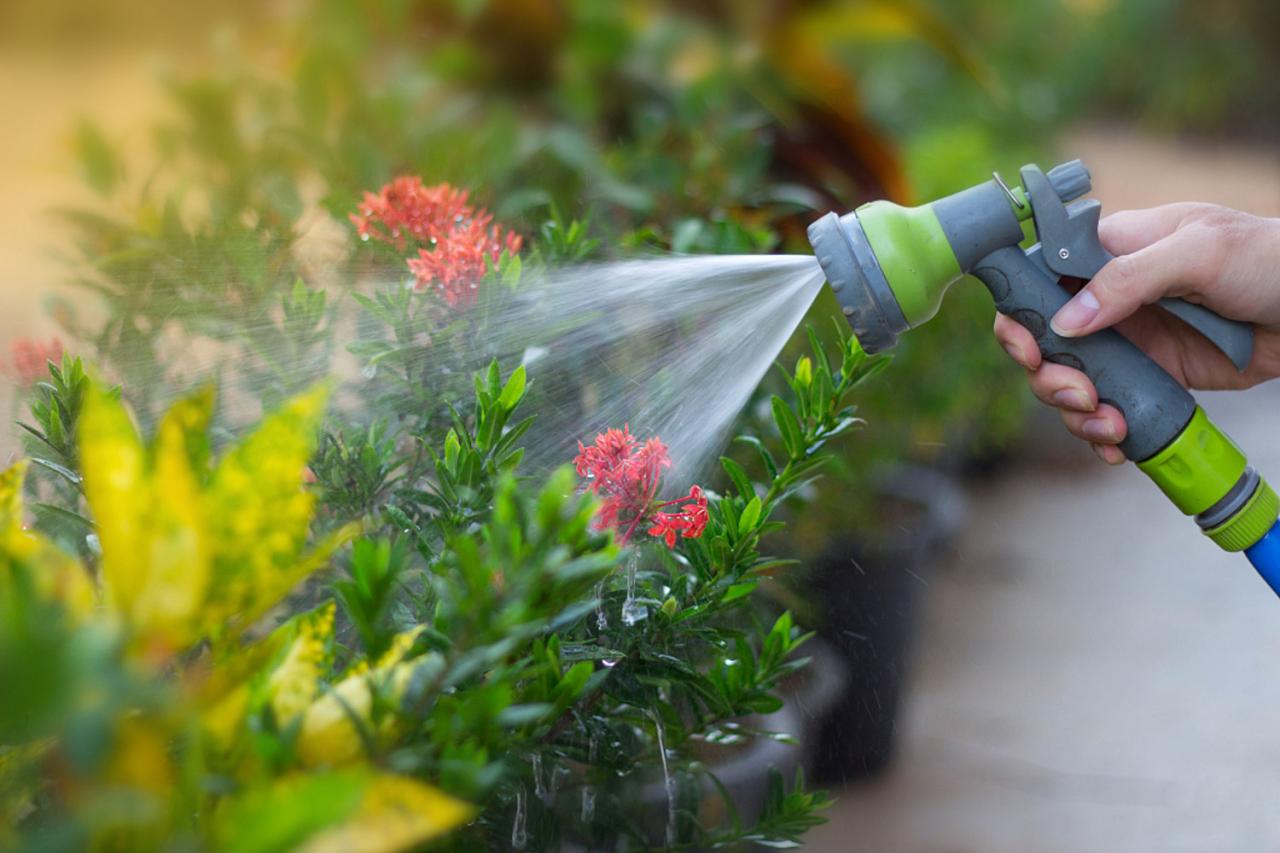
A claim about magnetized water needs evidence for the actual plant and conditions. Water quality, drainage and sensible feeding are more useful starting points for care. Ask what the claim actually measures Magnetized water is…
Leaving tea overnight does not turn it into a balanced fertilizer. Check for additives and residue, and use an appropriate feeding plan for the plant instead. Overnight storage does not make fertilizer Tea left until…